CrispSpeechTM
Patent pending Built with speech-language pathologists In family trials now

Speech practice children actually do, with their speech therapist in charge.

CrispSpeech listens to the sounds in every word a child says, answers with a kid-sized tip in a friendly robot's voice, and sends every take to the child's speech-language pathologist to grade. At home, between sessions, on the phone you already own.

Families: join the trial Speech therapists and schools: talk to us

Free for families during the trial. No ads, no trackers, no timers.

/r/ sound word 4 of 10
Say the word car

Ooh, almost there! I heard "cah". Pull your tongue back and up, round your lips a little, and try "car" again.

Try again Next word

Every take goes to the child's speech-language pathologist to review.

U.S. patent application filed Two licensed SLPs as clinical advisors Texas families practicing now Parental consent before any recording No cloud speech service ever hears a child
Why we built this

The practice that matters most happens where no one is listening.

For more than a century, learning a hard sound has meant a mirror, a diagram, and a clinician who can only be in one room at a time. There are not enough speech-language pathologists to go around, waitlists are long, and the work that actually moves a child forward happens at home, between sessions, with no one to hear whether it went right.

It started in our own family. Lance's two children were working on their sounds with a speech therapist, and the practice between sessions was the hard part: remembering to do it, knowing whether it was going right, and having nothing to show the therapist at the next visit. Lance, an engineer, built the first version for them. His father Paul saw what it could mean for other families and for the therapists who serve them, and Crisp Speech was formed.

We built CrispSpeech so that practice gets done, gets heard, and reaches the clinician. A patent-pending engine listens for the sounds a child actually produced, not the word it expected, so a "wabbit" is heard as a /w/ in place of /r/. Chip, our robot coach, turns that into a tip a seven-year-old can use. And every recording lands in the speech therapist's review queue, graded in one tap and charted week by week.

Two licensed speech-language pathologists shaped the product and the trial design. Families in Texas are practicing on it now, and what they teach us goes straight into the next release.

Crisp Speech was founded in Texas by Paul Staudacher, President and CEO, and his son Lance Staudacher, CTO and the inventor of the listening engine.
How it works

Four steps. The clinician sets the plan and has the final say.

1

Check-in

87 words, about nine minutes, no scores shown to the child. Optional camera so the therapist can see the mouth.

2

The SLP sets the plan

Sounds, positions, priority and a level ceiling, from a draft summary the therapist edits and signs. The therapist's plan drives the daily session.

3

Daily practice with Chip

The child says each word after the beep; Chip scores it and gives a tip. Stories and games practice the same plan words. Points reward effort, never perfection.

4

Review and progress

Every take arrives in Review with its source and the line read. The therapist grades in a tap, resolves flagged clips and watches progress climb week by week.

What makes it different

It hears sounds, not just words. And the clinician's judgment teaches it.

The engine behind CrispSpeech is the subject of U.S. Provisional Patent Application No. 64/133,978, filed August 2026.

Hears the sounds the child actually made

Most speech recognition guesses the word it expects. CrispSpeech decodes the produced sounds and compares them to the target, so an error is heard as the error it is, not corrected away.

Three listeners, and a clinician with the final say

Two public phoneme models and CrispSpeech's own model, trained on consented, therapist-graded recordings, each get a vote. When they disagree, the clip is flagged for the therapist's ear.

Every score is reproducible

Each result records which model version and settings produced it, so a progress chart compares like with like even as the engine improves.

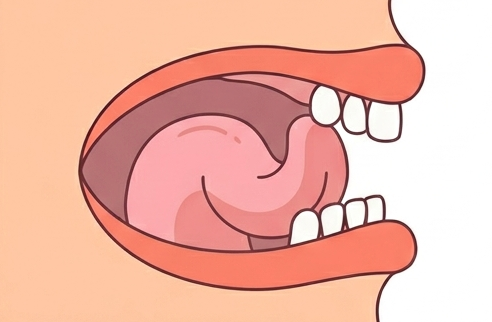
Side-view drawing of the mouth with the tongue pulled back and up for the r sound

Shows the mouth, not just the word

Mouth diagrams for every target sound, an animated tongue trainer for the hardest one, and an optional live mirror with a lip outline while the child practices. Tips are grounded in cues the therapist wrote, and Chip models every word aloud.

For the speech therapist

The clinical judgment stays with you. The paperwork does not.

A caseload's hours go to listening, writing up, and guessing what happened at home. CrispSpeech is built to hand those hours back.

The assessment arrives drafted

After the 87-word check-in, CrispSpeech drafts the screening summary and proposes a practice plan: target sounds, word positions and priority. You edit it, set the level ceiling, sign, and apply it. The plan reaches the child only when you do.

Home practice, finally visible

Every take is recorded with its date and time. For the first time, you can see how much practice actually happened between sessions, when, and on which sounds, instead of asking. Practices see the same record.

Grading in a tap

Takes arrive in one queue with the score and the clip. When the listeners disagree, the clip is flagged for your ear. Progress is charted per sound, week by week, with your grades alongside the machine's.

CrispSpeech does not diagnose or treat. It prepares the work; you are the clinician.

Built for three people

The child, the speech therapist, and the practice or district behind them.

Families

Your child's therapist sets the plan; Chip runs the practice. About 30 words a day, in the kitchen, on your phone. Stories, games and prizes reward showing up. You see what was practiced and what the therapist said.

We are adding a few more families to the trial in Texas now. It is free, and your child's SLP stays in charge.

Ask about the trial

Speech-language pathologists

The check-in comes back as a drafted assessment summary and a proposed practice plan; you edit, sign, and apply them. Every home take lands in one review queue with its date and time, graded in a tap, with the clips that need your ear flagged. Progress charted per sound, week by week.

Your grades calibrate the scoring. You are the clinician; the AI does the prep work.

Request a review account

Practices and school districts

Hosted, nothing to install, works on the phones and tablets families already own. Consent, retention and deletion enforced in software. Audit log and staff two-step sign-in built in. HIPAA-ready, with a Business Associate Agreement available.

We are planning a school-district pilot for 2027. Texas first.

Ask about the 2027 pilot
Where we are

Early, and honest about it.

We would rather earn a clinician's confidence than claim it. Here is what is done and what comes next.

  1. August 2026U.S. provisional patent application filed for the listening engine. CRISPSPEECH trademark application filed.
  2. Summer 2026Two licensed speech-language pathologists join as clinical advisors and co-design the trial.
  3. Summer 2026Family technology trials begin in Texas on therapist-approved practice plans.
  4. October 2026Privacy program ships: e-signed parental consent before any recording, real deletion of recordings in every region, an audit log of every view.
  5. NextA broader trial with more families and therapists, then public launch for families.
  6. 2027School-district pilot, Texas first.
Privacy

A child's voice is not a product.

Designed to the Children's Online Privacy Protection Rule and built to the HIPAA Security Rule's safeguards, whether or not a practice needs them.

Read the full privacy policy
  • A parent e-signs consent before any recording, and the server enforces it: no voice permission, no recording; no video permission, no camera.
  • Speech recognition runs on our own servers. No cloud speech service ever hears a child.
  • The AI runs privately in CrispSpeech's own cloud account and never learns from a child's recordings unless a parent explicitly allows it, and then only to improve the app for other children. Recordings are never shared or sold.
  • No advertising, no analytics, no trackers. The child's device talks to no one but CrispSpeech.
  • Parents can review, export and delete everything, and withdraw at any time. Deletion removes every stored copy of the recordings immediately; routine database backups expire within seven days.
  • Encrypted storage in the United States, seen only by the child's therapist, the practice's staff and the CrispSpeech team. Questions: privacy@crispspeech.com.

Help us get this right.

We are a small Texas team working with a few families and their therapists before we open the doors. If that is you, we would like to hear from you.

Families: join the trial Therapists and schools: talk to us